The Allure of Chance
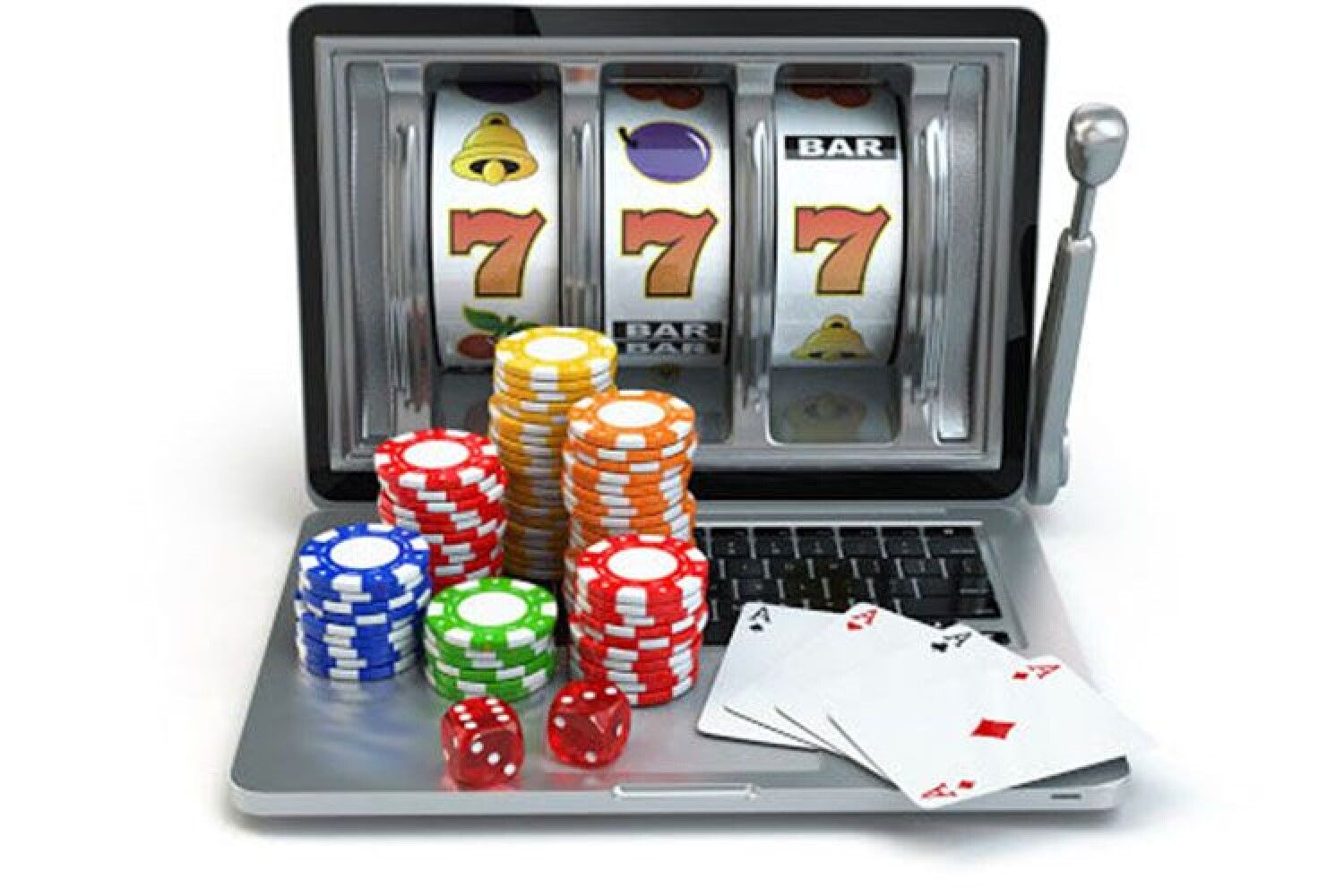
The thrill of gambling is often rooted in the concept of chance and the possibility of winning big. This allure can be traced back to our psychological makeup, where the unpredictability of a game can heighten excitement and draw individuals into the gaming experience. The anticipation leading up to a spin of a slot machine or a roll of the dice can trigger a rush of adrenaline, creating a sense of euphoria that many find hard to resist. Additionally, the emergence of online casinos has brought this chase for excitement to the digital realm.

Moreover, the excitement of potential rewards can lead to a cycle of desire and behavior that keeps players engaged. The brain releases dopamine, a neurotransmitter associated with pleasure, during these moments of anticipation and reward, reinforcing the gambling behavior. This chemical reaction plays a significant role in why individuals are drawn to casino gaming over and over again.
The Social Element of Gambling
Another significant aspect of why people gamble is the social interaction that often accompanies gaming. Casinos are not just places to play games; they are social environments where people come together. Whether it’s cheering for a friend at a blackjack table or sharing stories over cocktails in a poker room, the social component enhances the overall experience and can make gambling more appealing.
Additionally, the communal atmosphere of casinos can create a sense of belonging among gamblers. Engaging with others who share similar interests can lead to stronger connections and enjoyable memories, making the act of gambling more than just a solitary pursuit. It becomes a shared experience that fosters friendship and camaraderie.
Addiction and Gambling Behavior
While many gamble for fun, some individuals can develop problematic gambling behaviors or even addictions. The psychological aspect of gambling addiction is complex but often involves an escape from reality, where the gambler uses gaming as a way to cope with stress or emotional distress. This behavior can lead not only to financial issues but also to significant emotional and relational problems.
Understanding this addiction requires a closer look at the psychological triggers that compel individuals to gamble despite negative consequences. Many individuals may not recognize the extent of their problem until it significantly affects their lives. This highlights the importance of awareness and education on responsible gambling practices.
The Impact of Advertising and Marketing
The role of advertising in shaping gambling behavior cannot be overlooked. Casinos employ various marketing strategies to evoke emotions and attract potential gamblers. Promotions, bonuses, and advertising campaigns create an image of excitement and allure that can lure people in, even those who may not typically gamble.
Furthermore, the portrayal of gambling in media and pop culture often romanticizes the activity, presenting it as glamorous and thrilling. This can contribute to a skewed perception of gambling, leading individuals to underestimate the risks involved while overestimating the rewards, a psychological phenomenon known as cognitive bias.
Enhancing Online Security in Gambling
As the world of casino gaming evolves, so does the necessity for enhanced online security. With the rise of online gambling platforms, ensuring the safety of personal and financial information has become paramount. This concern is particularly relevant as more individuals engage with digital casinos, which can present unique security challenges.
Websites that prioritize security ensure a safer gambling experience for users. By implementing advanced security measures, they can protect against data breaches and unauthorized access, allowing players to gamble with peace of mind. Awareness of these security features can enhance trust in online gambling platforms, making individuals more likely to engage in safe and responsible gaming practices.